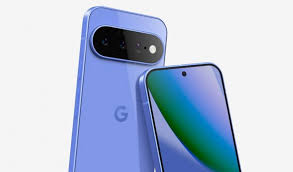
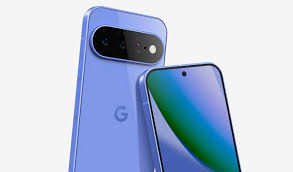
For years, the Google Pixel has been the “Yes, but…” phone. Yes, it has the best still photography, but the battery life is mediocre. Yes, the software is the cleanest on Android, but the chip runs hot under pressure.
As we approach the anticipated August 2026 launch, the Google Pixel 11 looks poised to finally kill the “but.” While the Pixel 10 was a massive milestone for Google marking the first time they moved chip production entirely away from Samsung’s architecture the Pixel 11 is where that independence matures.
Recent leaks from the supply chain suggest that Google is jumping straight to a 2nm process with the Tensor G6. This isn’t just a spec-sheet flex; it is a fundamental shift in how the phone handles heat, battery, and AI.
When will the Google Pixel 11 be released?
Following the established cadence of the last two years, Google is expected to host its “Made by Google” event in August 2026. This shift from the traditional October window allows Google to capture the back-to-school market and get ahead of the iPhone 18 launch.
We expect the lineup to mirror the previous generation:
- Pixel 11 (“Cubs”)
- Pixel 11 Pro (“Grizzly”)
- Pixel 11 Pro XL (“Kodiak”)
- Pixel 11 Pro Fold (“Yogi”)
What is the Google Tensor G6?
The heart of the Pixel 11 is the Tensor G6. If the G5 was the “divorce” from Samsung, the G6 is Google’s solo debut. Internal documents leak a “7-core” architecture designed for thermal efficiency over raw peak performance.
By utilizing TSMC’s 2nm process, Google is targeting a 20-25% improvement in power efficiency. For the user, this means the end of the “warm pocket” syndrome that plagued earlier Pixels during video recording or 5G browsing.
What are the new AI features in Pixel 11?
Hardware exists to serve the software, and Android 17 on the Pixel 11 is leaning heavily into on-device video generation.
- 4K Cinematic Blur: This is finally getting a boost to 30fps with improved edge detection, rivaling the iPhone’s Cinematic Mode.
- Ultra-Low-Light Video: A new mode that uses the NPU to clean up noise in real-time, effectively bringing “Night Sight” to moving footage.
Expert Analysis: The End of “Good Enough” Silicon
As a journalist who has covered every Pixel since the original in 2016, I’ve seen Google struggle with the “Silicon Ceiling.” For years, they used off-the-shelf ARM designs and Samsung’s manufacturing, which meant they were always a step behind Apple and Qualcomm in efficiency.
Our Verdict: The Pixel 11 is the most important phone Google has ever made.
Why? Because with 2nm, Google is no longer just “catching up.” They are building a chip specifically for their AI models.
If you have a Pixel 9 or older, this is the upgrade year. If you have a Pixel 10, the G5 chip inside it is already quite good, but the G6’s move to 2nm represents a generational leap in longevity and thermal headroom that we haven’t seen in the Android space for years.
Frequently Asked Questions
- Will Pixel 11 have a removable battery?
Early rumors suggest Google is experimenting with easier-to-replace batteries to comply with new EU regulations, particularly on the Pro Fold model, though a fully “user-removable” back remains unlikely.
- Does the Pixel 11 have Face ID?
Yes. Leakage regarding “Project Toscana” suggests Google is integrating an under-display IR camera for secure, 3D facial recognition that works in the dark, similar to Apple’s FaceID but without the notch.
- How long will the Pixel 11 be supported?
Google is expected to continue its industry-leading 7-year software update policy, meaning the Pixel 11 will be supported through 2033.
this is another blog link please read : https://datacntech.site/2026/04/16/is-the-worlds-first-privacy-display-a-must-have/